FOR HOMEOWNERS
Apr 22, 2026
8 min read
01
BACKYARD OFFICE
Apr 15 · 5 min
When we talk to homeowners who end up building with us, the decision almost always comes from one of three places. Not "I want a trendy tiny home" — something more concrete than that. A problem they're trying to solve, or an opportunity they don't want to leave on the table.
Here's what's actually driving it.
Reason 1: Rental Income That Changes the Monthly Math
The most common reason, by a wide margin, is simple economics. California homeowners are sitting on some of the most valuable real estate in the country, and most of that value is locked up in equity. A backyard ADU converts some of that equity into monthly cash flow without requiring you to sell anything.
The math that convinces most people:
A Studio Model Kasita at $25,000 total installed cost. Long-term rent in most California markets: $1,600–$2,400/month. At $1,800/month net, the unit pays for itself in 14 months. After that, it's $21,600/year in income — indefinitely.
Most of our rental income buyers aren't real estate investors by background. They're teachers, nurses, small business owners, and government employees who own their home and want a way to make the asset work harder. A backyard unit is often the most accessible path to passive income available to them.
What they typically build: Studio Model or Luxury Kasita. Focus on durability and low-maintenance finishes. Often start with long-term rental, then reassess for Airbnb once they're comfortable with the landlord role.
Reason 2: Family — Keeping People Close Without Giving Up Space
The second most common reason is family — specifically, the challenge of aging parents or adult children who need a place to land.
The traditional options are difficult. Moving an aging parent into your home means giving up privacy (yours and theirs). Paying for assisted living or a separate apartment means real cost and separation. Buying a second property means a second mortgage, second property taxes, and second maintenance.
A backyard ADU on your existing lot changes the equation. Your parent has their own space — their own entrance, their own kitchen, their own bathroom. They're 30 feet away, not 30 minutes away. The cost is a fraction of a second property.
We hear versions of this story regularly: a daughter who wanted her mother nearby but not inside the house. A family helping a recent college graduate avoid $2,400/month rent in a city that makes saving impossible. A couple who built for aging-in-place — their backyard unit is where one of them will eventually live if mobility becomes an issue.
What they typically build: Luxury Kasita (1–2 bedroom). Prioritize accessibility features, full kitchen, and thoughtful layout over rental optimization. Sometimes opt for a direct path to the main house.
Reason 3: A Dedicated Workspace — and Long-Term Flexibility
The third driver has grown significantly since 2020: remote workers who need a real workspace and are tired of working from a corner of their bedroom.
A backyard office does something that a spare bedroom desk can't: it creates genuine separation between work and home. You walk out, you're at work. You walk back in, you're done. That psychological boundary matters.
But the buyers in this category are usually thinking beyond the immediate work situation. They're asking: what does this space become in five years? When the kids are older and don't need the yard? When I retire and don't need the office? When the rental market looks attractive?
A well-built backyard office is also a potential rental unit, a guest house, an art studio, a gym, or a space for whatever comes next. It's flexible in a way that other home improvements aren't.
What they typically build: Office Model (160 sqft). Prioritize electrical capacity (multiple circuits for monitors, equipment, and lighting), good natural light, and strong HVAC. Often include a half-bath to make the space fully self-contained.
The Common Thread
What all three groups share: they're solving a real problem, not pursuing a lifestyle trend.
Rental income, family proximity, work-life separation — these are concrete needs with concrete costs attached to not solving them. A Kasita is how a lot of California homeowners solve them for a price that actually makes sense.
If any of these situations sounds like yours, the best first step is a free 20-minute property evaluation. We'll look at your lot, tell you what's possible, and give you real numbers. No sales pitch, no pressure.
FOR HOMEOWNERS
Browse All Blogs→
FREE PROPERTY EVALUATION
Get My Free Evaluation →
USE CASES
Most customers come to us for one of these three things. Do any of these sound like you?

FOR HOMEOWNERS
Is a Backyard Office Worth It?
A Cost vs. Benefit Breakdown
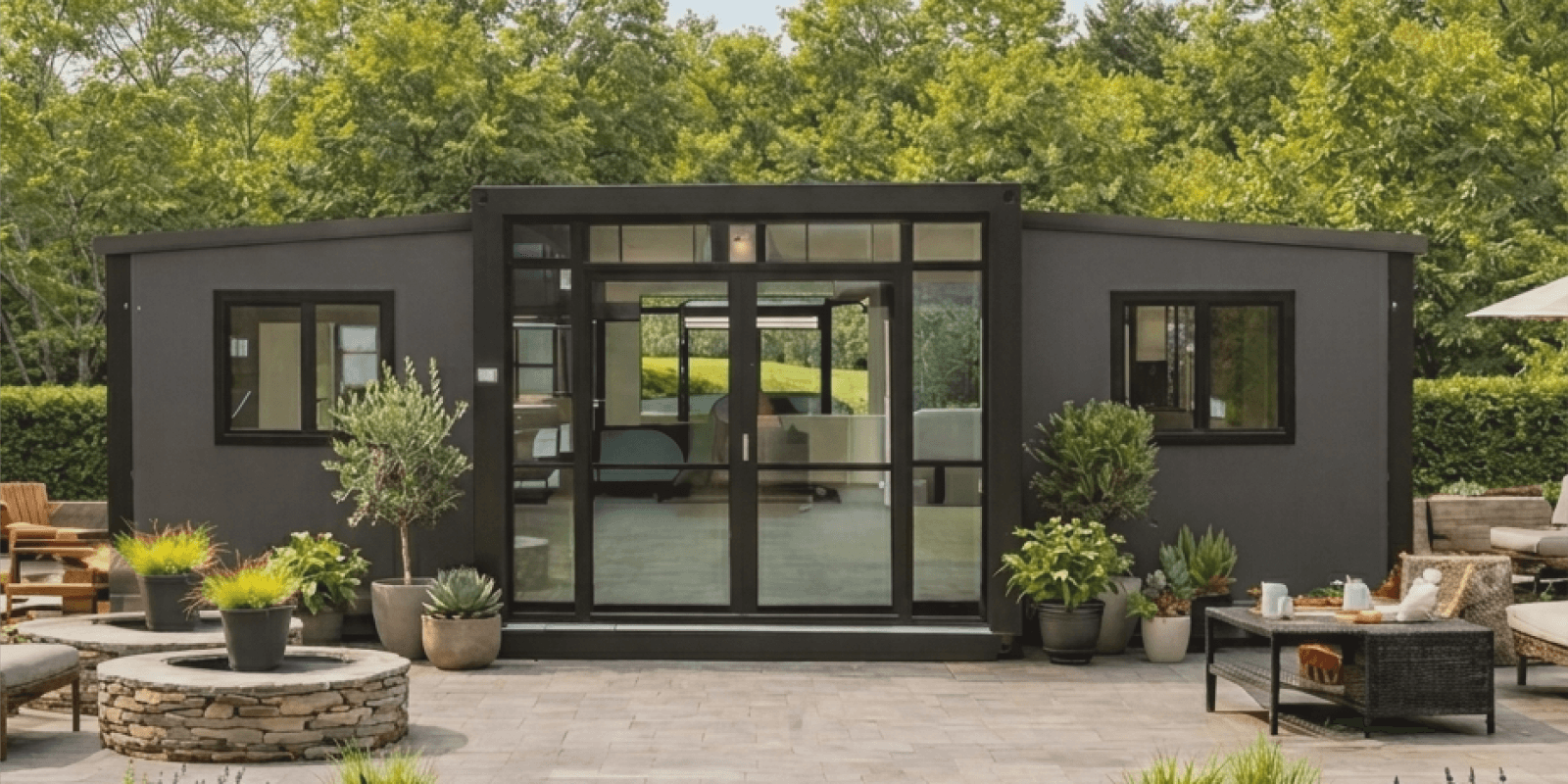
Before you build a backyard office, you want to know if the numbers actually work. Here's an honest breakdown of what it costs
$1,800–$3,200/mo potential
FOR FAMILIES
From Booking to Move-In:
The 60-Day Kasita Timeline
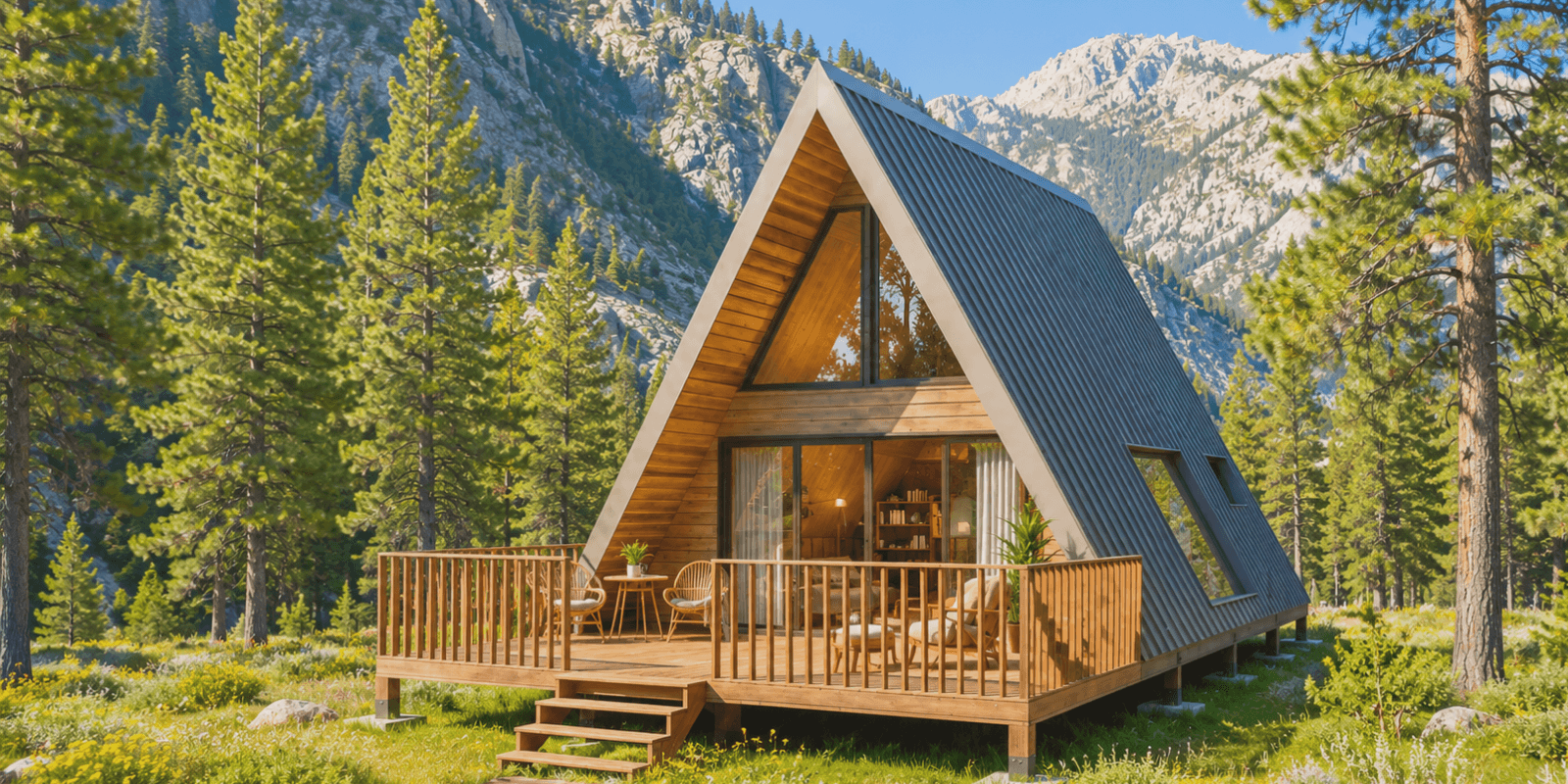
60 days is achievable. Here is every phase from first site visit to move-in day — including where delays happen and how to avoid them.
From $22,000, no second mortgage
FOR REMOTE WORKERS
How Much Can You Earn Renting
a Backyard ADU in California?
The income potential from a backyard ADU varies by market, unit type, and rental strategy. Here are real numbers from California markets — and how to estimate what yours could earn.
From $21,500, adds property value
KasitaCrafters
Modern prefab tiny homes, DIY kits, and build plans — for California homeowners who want a real second structure without a $200,000 price tag.
Los Angeles · Freelance Graphic Designer