FOR HOMEOWNERS
Apr 22, 2026
8 min read
01
BACKYARD OFFICE
Apr 15 · 5 min
The choice between a prefab ADU and a traditional site-built unit isn't simply about price. Both approaches can produce high-quality results. The question is which one fits your timeline, budget, lot, and goals.
Here's an honest comparison.
Cost
Prefab: $28,000–$65,000 total project cost (unit + delivery + site prep + permits)
Traditional site-built: $120,000–$250,000+ in California
The cost gap is real and significant. Traditional ADU construction in California has been hit hard by labor shortages, material costs, and permitting complexity. A professionally finished prefab unit delivers comparable quality at a fraction of the cost.
The key qualifier: prefab cost estimates are more predictable. Factory production removes most of the labor-driven cost variables that cause traditional builds to run over budget.
Advantage: Prefab
Timeline
Prefab: 8–14 weeks from signed contract to move-in (assuming permits are in hand)
Permit: 3–6 weeks
Production: 2–4 weeks (often runs concurrently with permit)
Delivery and placement: 1–3 days
Site connections and final inspection: 1–2 weeks
Traditional site-built: 9–18 months from design to certificate of occupancy
Design and engineering: 1–3 months
Permit review: 1–4 months
Construction: 4–8 months
Inspections and certificate of occupancy: 1–2 months
For most homeowners, a 6–9 month difference in timeline represents real money — specifically, the rental income they're not collecting while the project drags on.
Advantage: Prefab (significantly)
Quality and Finish
This is where prefab has shed its old reputation. Factory-built production means:
Tighter construction tolerances. Climate-controlled factory assembly eliminates the warping, settling, and moisture problems that affect site-built structures.
Consistent materials. Factory purchasing means consistent material quality across units. No substitutions when a supplier runs short.
Third-party inspection. Factory-built units certified by HCD (California Department of Housing & Community Development) go through independent quality inspection — separate from the local building inspection that site-built structures require.
Traditional site-built construction can achieve exceptional quality — particularly for larger, more complex projects. But it requires active oversight. Quality varies significantly depending on the contractor and their subcontractors.
Advantage: Roughly equal; prefab has lower variance
Design Flexibility
Prefab: Limited to available configurations. At Kasita, we offer three core models (Studio, Luxury, Office) with option packages. Custom modifications are limited.
Traditional site-built: Fully custom. Any footprint, any layout, any finish level. Design is limited only by zoning, budget, and your architect's imagination.
If your lot has unusual constraints, or if you need a specific layout that standard prefab models don't accommodate, a traditional build may be necessary.
Advantage: Traditional (clear)
Disruption to Your Property
Prefab: Minimal. Site prep typically takes 1–2 weeks. Delivery and placement takes 1–3 days. There's no extended construction crew on your property.
Traditional: Significant. Active construction on your property for 4–8 months means noise, debris, equipment, and tradespeople on site regularly. This is often the hidden cost that surprises homeowners most.
Advantage: Prefab (significantly)
Resale and Appraisal
Both prefab and site-built ADUs add value at resale. The question is how appraisers treat them.
Factory-built units certified by HCD are treated as permanent structures by California law when properly permitted and placed on a permanent foundation. They appraise comparably to site-built structures.
The caveat: units on wheel bases (mobile home classification) are treated differently and may not add equivalent resale value. Know what you're buying before you commit.
Advantage: Equal (on permanent foundation)
When Prefab Makes More Sense
Your budget is under $60,000 for the total project
You want to be renting within 6 months
Your lot fits a standard model configuration
You don't want an extended construction project on your property
When Traditional Might Make More Sense
You have a complex or irregularly shaped lot that standard models can't accommodate
You want a fully custom design — specific layout, materials, or architectural style
Your budget is $100,000+
You have a longer timeline and the construction process doesn't disrupt your life significantly
The Bottom Line
For most California homeowners who want to add an ADU for rental income, multigenerational housing, or property value — prefab is the right call. Better cost, better timeline, comparable quality.
For homeowners with specific design requirements or complex lots, traditional construction has its place.
Book a free evaluation to find out which approach makes sense for your property.
FOR HOMEOWNERS
Browse All Blogs→
FREE PROPERTY EVALUATION
Get My Free Evaluation →
USE CASES
Most customers come to us for one of these three things. Do any of these sound like you?

FOR HOMEOWNERS
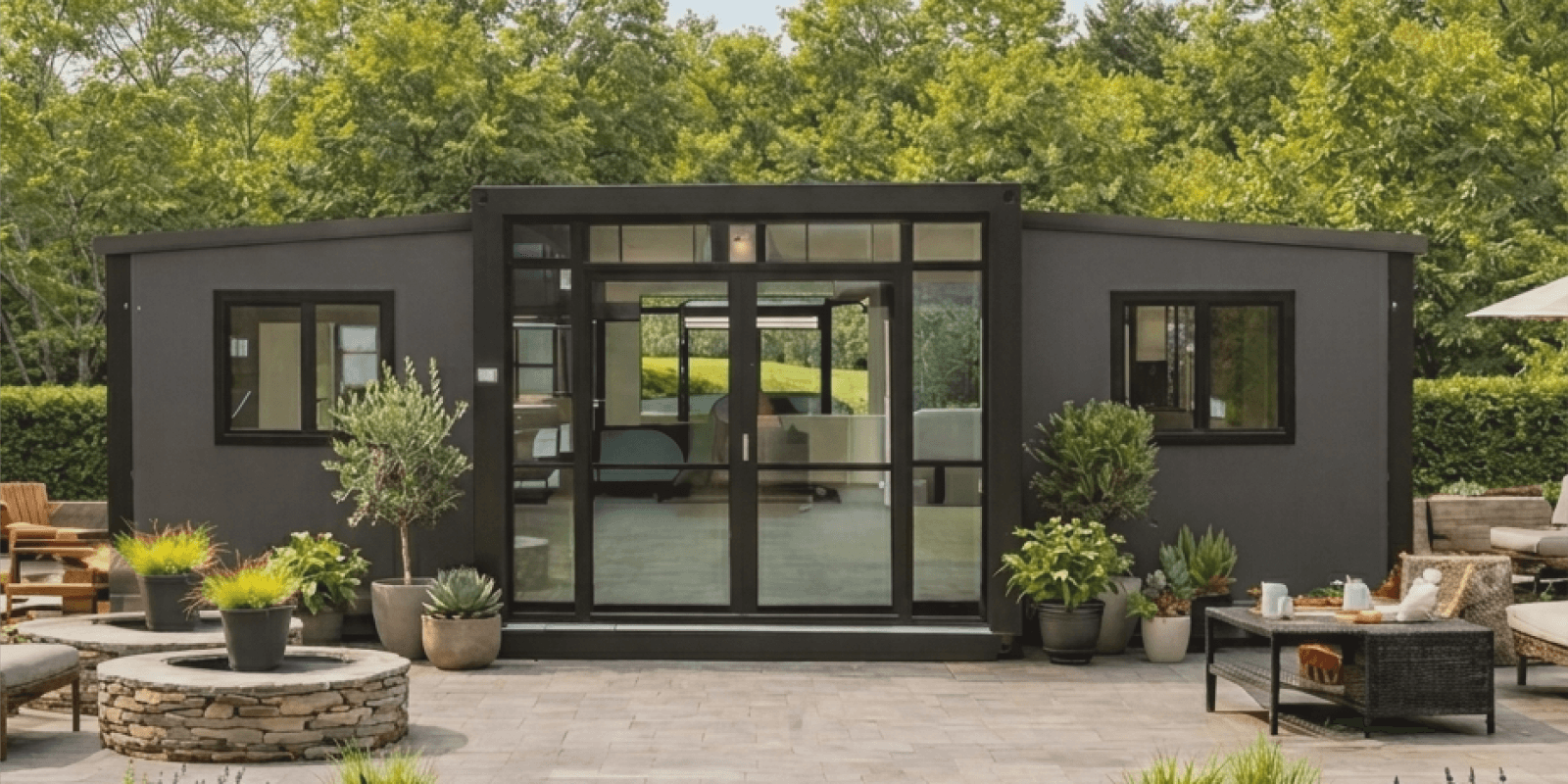
Is a Backyard Office Worth It?
A Cost vs. Benefit Breakdown
Before you build a backyard office, you want to know if the numbers actually work. Here's an honest breakdown of what it costs
$1,800–$3,200/mo potential
FOR FAMILIES
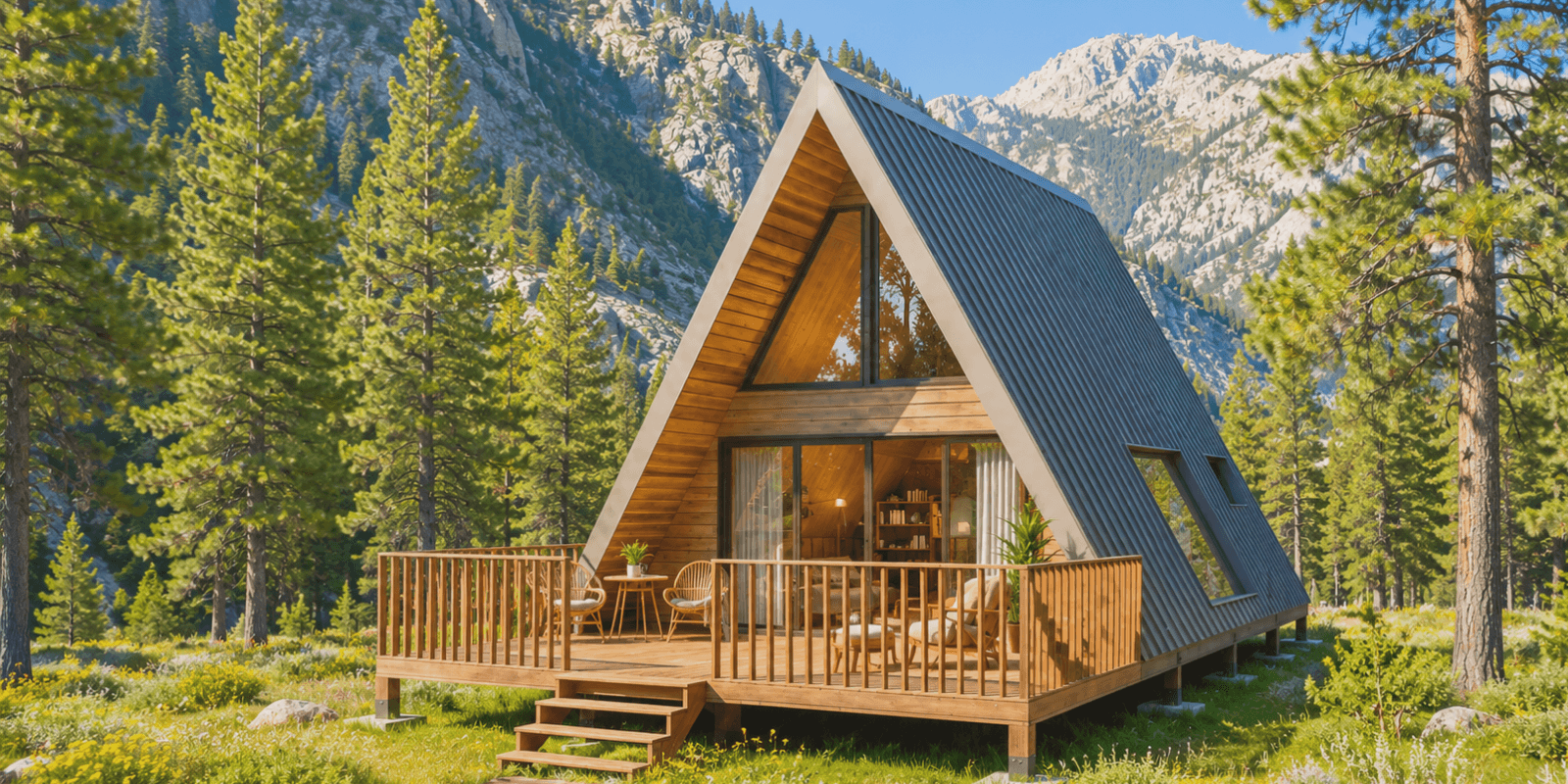
From Booking to Move-In:
The 60-Day Kasita Timeline
60 days is achievable. Here is every phase from first site visit to move-in day — including where delays happen and how to avoid them.
From $22,000, no second mortgage
FOR REMOTE WORKERS
How Much Can You Earn Renting
a Backyard ADU in California?
The income potential from a backyard ADU varies by market, unit type, and rental strategy. Here are real numbers from California markets — and how to estimate what yours could earn.
From $21,500, adds property value
KasitaCrafters
Modern prefab tiny homes, DIY kits, and build plans — for California homeowners who want a real second structure without a $200,000 price tag.
Los Angeles · Freelance Graphic Designer